The Amsterdam-based environmental group Greenpeace International is seeking damages for a legal defeat in the United States, writer Michael Toth published in National Review. If Greenpeace is successful, it would create a “troubling precedent for relitigating legal defeats abroad, eroding American sovereignty, chilling investment, and undermining transatlantic energy security.”
The dispute traces back to a decade-old fight over the Dakota Access Pipeline, which carries roughly 4 percent of America’s daily oil production. In 2016, Greenpeace joined efforts to stop its construction, but the protests did not remain within the bounds of constitutionally protected expression. They instead devolved into trespassing, vandalism, and violence, as the court acknowledged.
[…]
The disruption caused delays that cost Energy Transfer and its partner entities an estimated $7.5 billion. The company pursued litigation to recover those losses, first filing federal racketeering and state tort claims against Greenpeace and others in federal court. The federal case was later dismissed after the court concluded that the racketeering charges lacked merit and declined to exercise jurisdiction over the remaining state law claims, leaving them for state court.
Energy Transfer then refiled those claims in North Dakota. At trial, it presented evidence that Greenpeace disseminated false claims that the project would obstruct tribal lands and provided “massive” support for the protests, including training and equipping participants with lockboxes used to attach themselves to pipeline equipment. In March 2025,after a three-week trial, a North Dakota jury found Greenpeace liable and awarded more than $660 million, later reduced by the trial judge to $345 million.
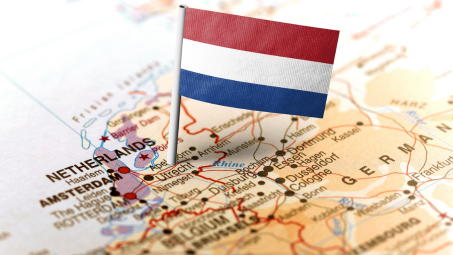
The fight has now shifted overseas, where Greenpeace International is asking a Dutch court to revisit the legal battle. The case relies on the European Parliament’s 2024 directive designed to deter litigation aimed at silencing free speech and public participation, otherwise known as “strategic litigation against public participation” or “SLAPP,” and was recently allowed to proceed under similar anti-SLAPP provisions in the Dutch Civil Code. In May, the North Dakota Supreme Court ordered Greenpeace International to refrain from attacking the jury verdict while permitting a “narrowly tailored” argument in the Netherlands regarding other aspects of the dispute.
[…]
A ruling for Greenpeace would open the door to relitigating American verdicts in foreign courts. American legal sovereignty is weakened when foreign jurisdictions can effectively revisit domestic jury outcomes simply because one party dislikes the result.
Read the full story in National Review.