
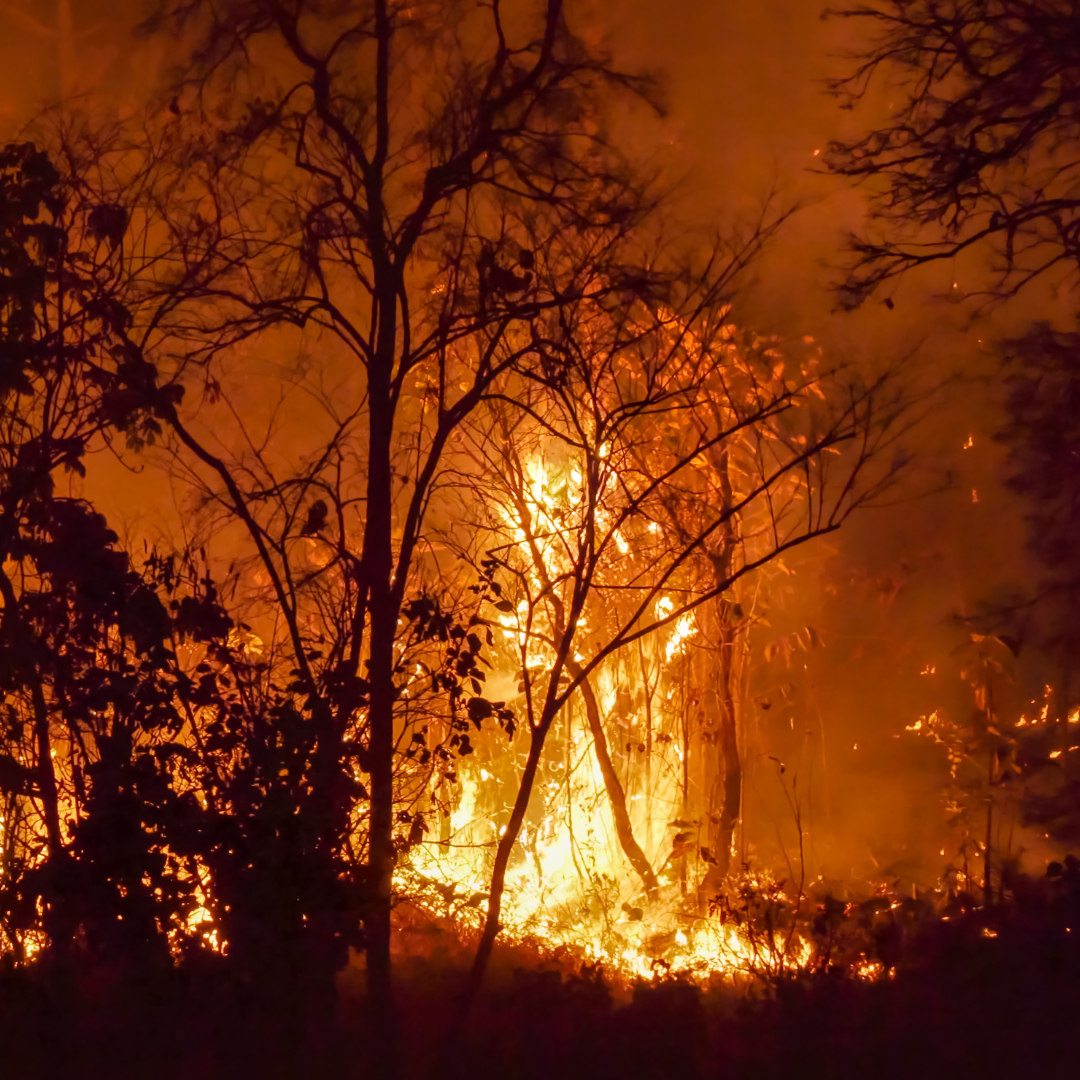
In a piece for National Review, Jason Hayes detailed how Canadian wildfires instigated a debate surrounding climate change. Activists claim that climate change is to blame for the fires, though others argue people and lightning are typically the culprits.
In addition, forest management practices “created the perfect conditions for large fires and greater risks to human health and well-being,” Hayes wrote. This included regulations surrounding the use of public lands.
The move to keep people out of natural areas was based on the mistaken notion that humans are inherently destructive. It led to vast areas of public lands being closed off and designated “untrammeled” wilderness. Human activities, such as cutting trees or mining for critical minerals, were made taboo by moneyed and powerful environmental groups. Though public lands were originally set aside for multiple uses, these groups would only approve low-impact activities, such as hiking.
At the same time, we compounded the problem by adopting the strategy of immediately extinguishing every wildfire and building more homes and businesses in the “wildland urban interface.” By banning the wise use of public lands and forests while continuing to live in and around them, we have enabled the fuels that feed wildfires — dead and dying trees, shrubs, and grasses — to accumulate. Consequently, when a fire hits, the damage can be expensive. (For example, see California earlier this year.)
[…]
Green activists will argue that solving the wildfire challenge requires abandoning essential energy sources such as gasoline and natural gas. But decades of on-the-ground experience tell a different story. The most effective methods of mitigating wildfire damage involve basic management techniques.
First, scale up fuel-reduction activities, especially near human communities and infrastructure, and focus on proactive management rather than reactive fire suppression.
Second, streamline permit approvals to encourage active forest management and allow activities such as harvesting, spacing, thinning, and the reintroduction of prescribed fire into forest ecosystems. This will allow these essential management activities to take place under controlled conditions, creating jobs and encouraging the use of renewable forest products.
Read the full story in National Review.