
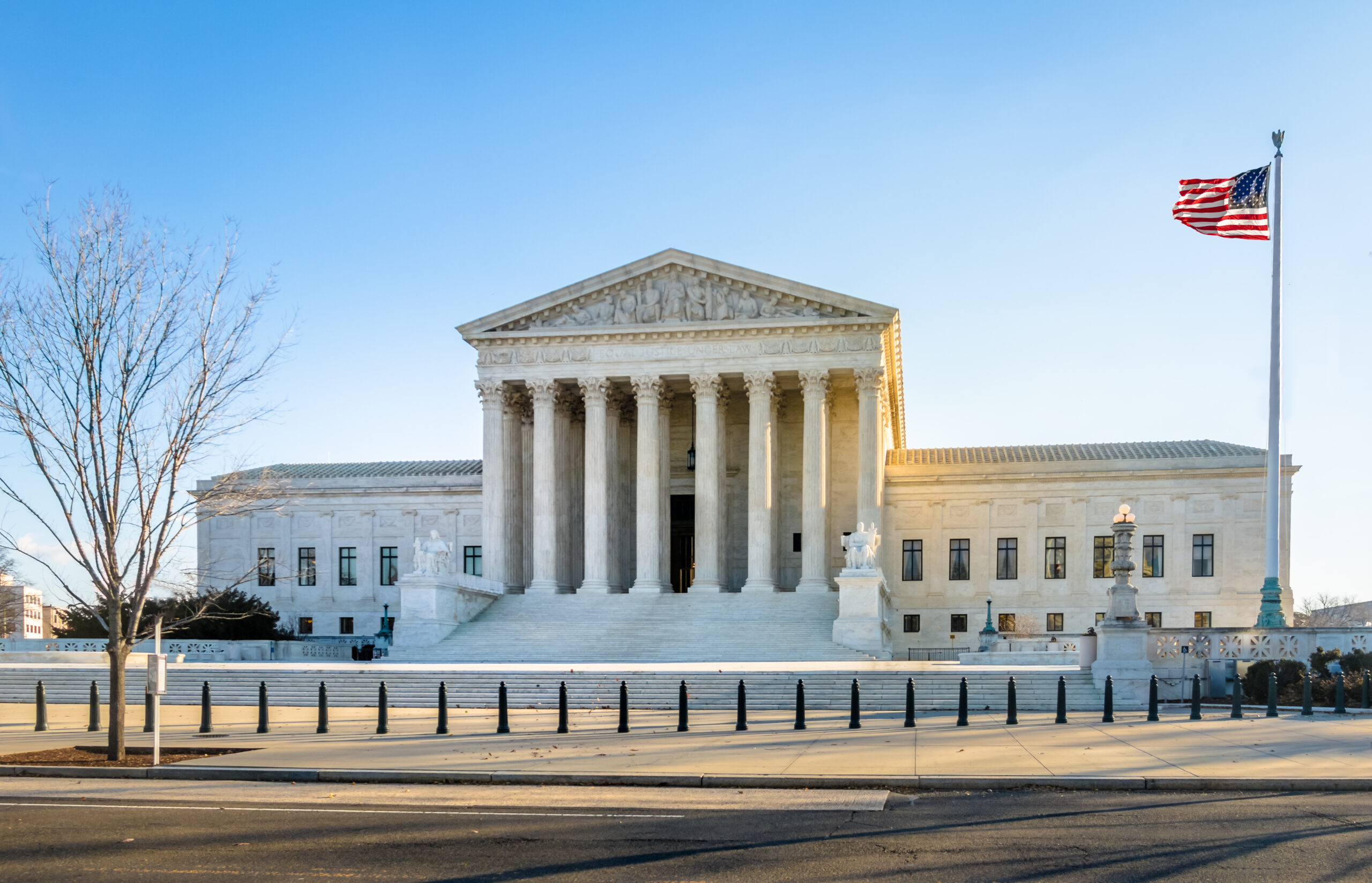
Next month, the Supreme Court of the United States will hear Suncor Energy v. County Commissioners of Boulder County, a case gaining national attention. Both proponents and opponents note the wide-ranging implications this case could have.
The legal question is straightforward. Greenhouse gas emissions are interstate and international by nature. One molecule of CO2 emitted in Texas or Alberta does not stay in Colorado. The Clean Air Act and decades of federal common-law principles governing interstate pollution were designed precisely for problems that cross state lines. Allowing every county that experiences a flood or a dry summer to sue energy producers under its own tort theories would produce a patchwork of conflicting verdicts. State juries would become de facto national climate regulators without the expertise, the democratic mandate, or the constitutional authority to set national policy.
Boulder insists it is only seeking compensation for local harm under ordinary Colorado law. That framing is clever and incomplete. The alleged harm is to the global climate system. The remedy Boulder seeks would necessarily regulate the nationwide production and sale of energy products. If Boulder can extract damages for the climate effects of lawful fuel sales, so can Honolulu, Baltimore, New York, and every other jurisdiction with a creative plaintiff’s bar. More than two dozen such suits are already pending. A ruling that lets them proceed would invite a race to the courthouse rather than a coherent national energy strategy.
Energy policy is hard. It requires balancing reliability, cost, national security, and environmental goals. Congress has the tools: the Clean Air Act, tax credits, permitting reform, and research funding. Those tools are imperfect and often slow. But they are democratic. A Colorado jury deciding that a Canadian energy company owes Boulder millions for emissions that occurred everywhere is not democratic. It is litigation as legislation. The same impulse that produced endless climate lawsuits against energy producers is the impulse that treats every complex national problem as a failure of private enterprise rather than a question for elected representatives.
Read the full story in the Washington Examiner.