
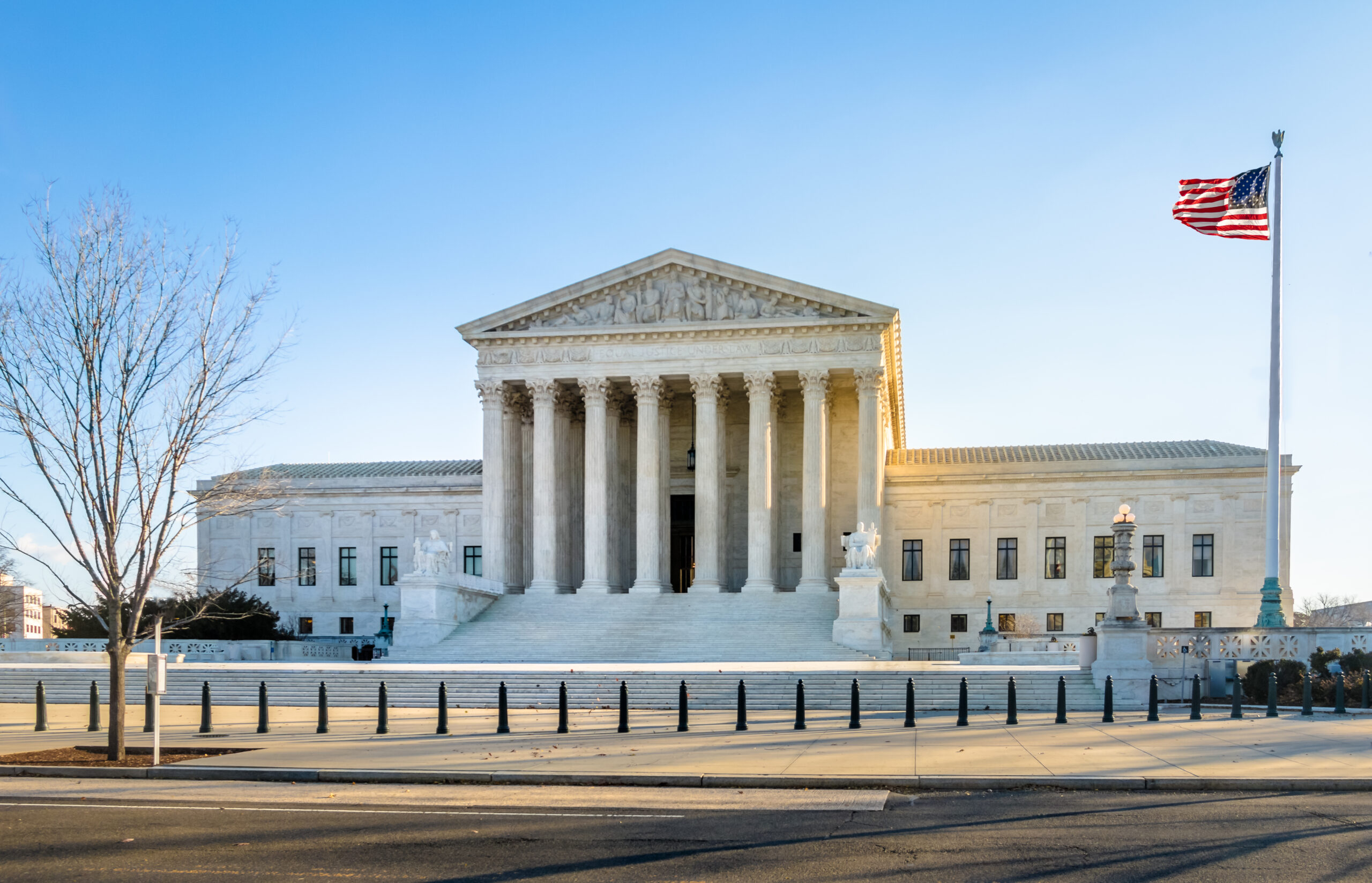
The outcome of the Supreme Court case Suncor v. Boulder will determine the proper reach of state law as it pertains to states suing American energy companies.
Oral arguments in Suncor v. Boulder were heard on October 5. It is one of dozens across the country where local governments are attempting to hold energy companies liable through state tort law for alleged climate-change effects.
While states have a significant degree of autonomy to regulate intrastate activity free of intervention from the federal government, they do not have the authority to set national policy for transboundary or national matters. They also do not have the authority to regulate activities occurring in and within the authority of other states. This is the distinction between a coordinated union in a federal system versus a system of all against all.
[…]
Recently, however, certain ambitious states (or their subunits) — with their own policy agendas and particular approaches to social problems — have, either through their legislators or through their courts, seen fit to try to expand their power in ways that would necessarily have extraterritorial effects. Climate-change tort lawsuits and their legislative cousins, climate Superfund statutes, are perfect examples of this growing tendency.
As Saikrishna B. Prakash of the University of Virginia Law School writes in his amicus brief filed in Suncor, Boulder’s theory of liability would eradicate the territorial limits of a state’s legislative authority — “plunging the Nation into the interstate and international discord the Framers sought to avoid.” Prakash further explains that “Boulder’s attempt to deploy state tort law to regulate the entire United States and the world would have left the Founders thunderstruck.” Indeed, “With the Constitution’s creation of the Union, any power to regulate across state lines rests with Congress.”
Read the full story in National Review.